Projects

Experience the Impact of Restoring Natural Migration Pathways

These projects show how thoughtful engineering and biological insight can reopen habitat and support thriving salmon populations.

 “Explore the interactive before‑and‑after images below to see the transformation.”

bush-creek-beforebush-creek-after

Bush Creek

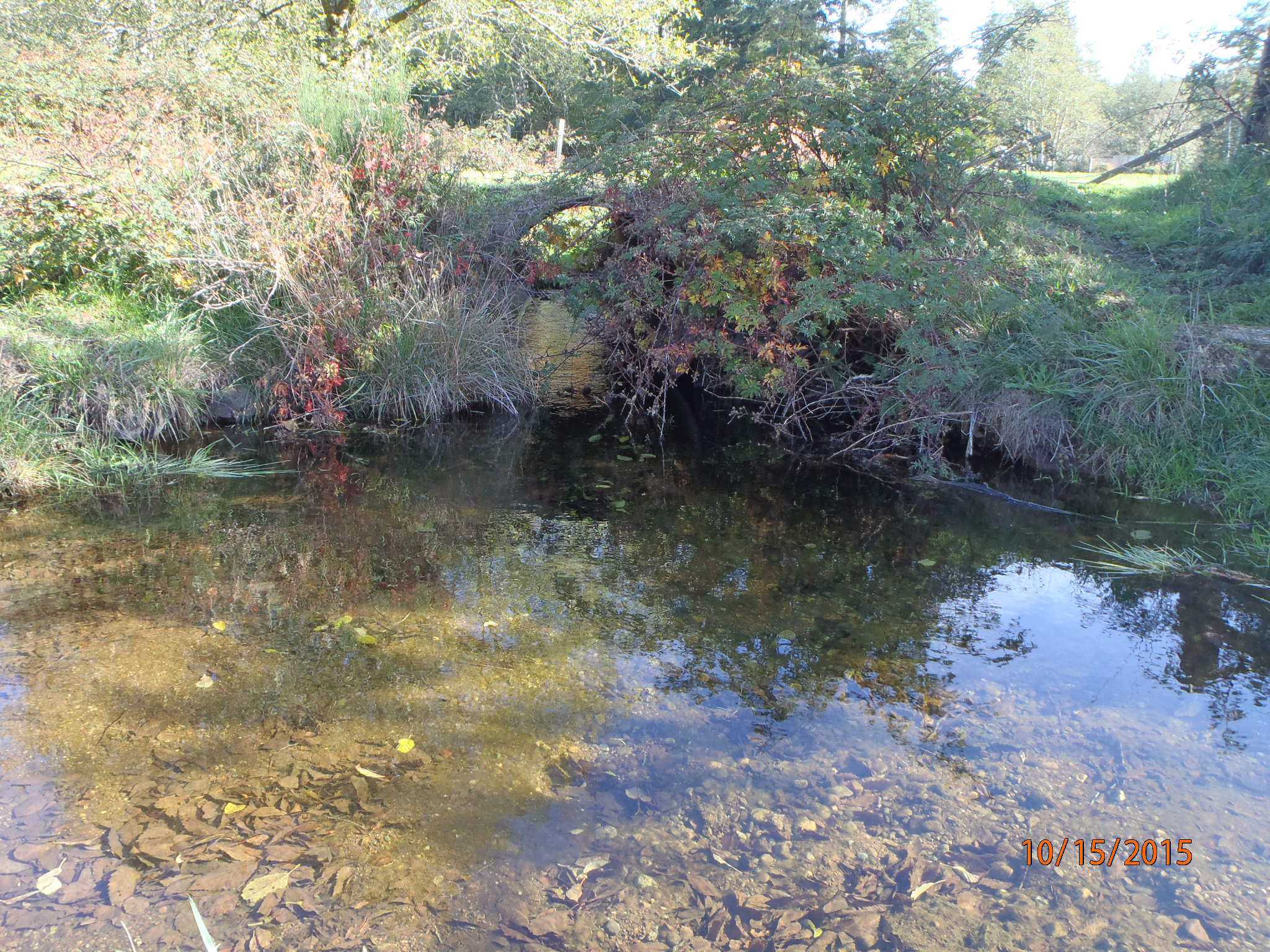
This project prepares final designs and permits to fix three failing culverts on Bush Creek that currently block access to 8.44 miles of high‑quality salmon habitat. With only 33% passability, these barriers limit recovery for coho, Chinook, chum, steelhead, and cutthroat trout. Completing this design phase positions the project for construction funding and ensures future upgrades will deliver fully passable, long‑term habitat connectivity.

stotsenberg-beforestotsenberg-after

Stotsenberg

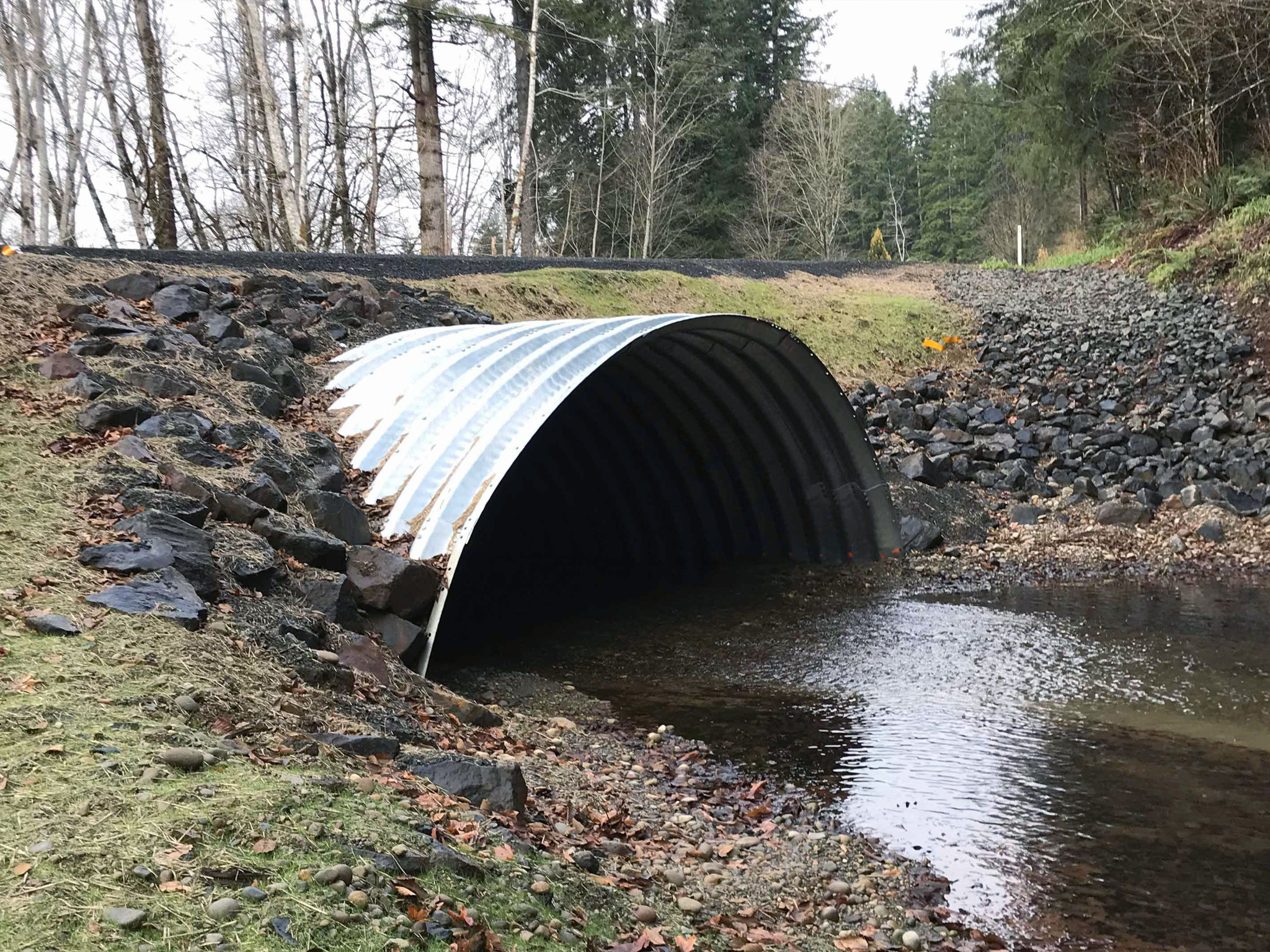
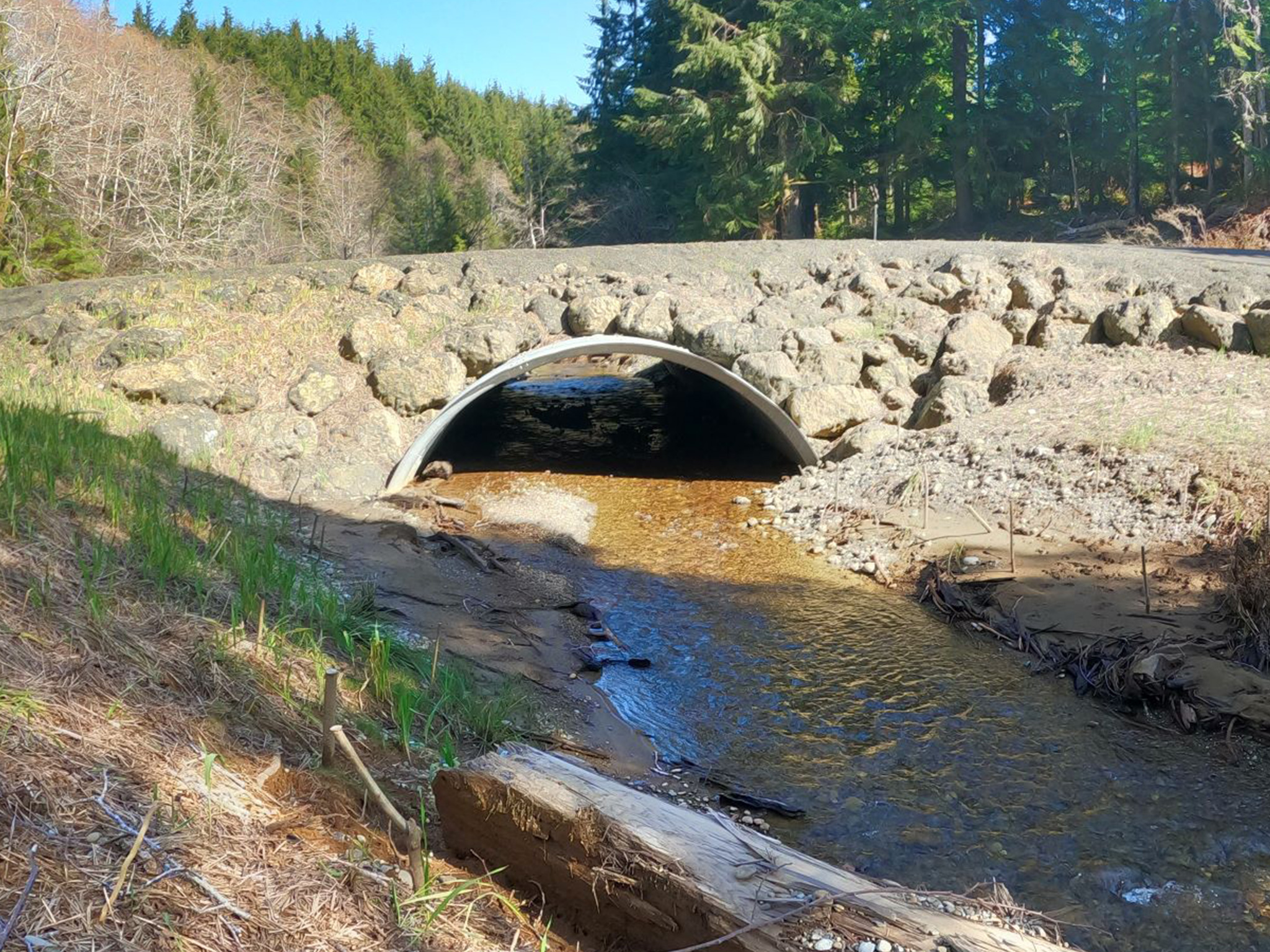
This project replaces a failing private‑land culvert that blocks access to 0.55 miles of upstream habitat in a tributary of the Mox Chuck Slough. The new structure provides full, all‑life‑stage passage for chum, coho, steelhead, and native and sea‑run cutthroat trout. With engineering, permitting, and construction now complete, the project delivers long‑term habitat reconnection and removes a key barrier in the Lower Chehalis watershed.

20-1914 Stevens, before20-1914-stevens-outlet-after

Stevens

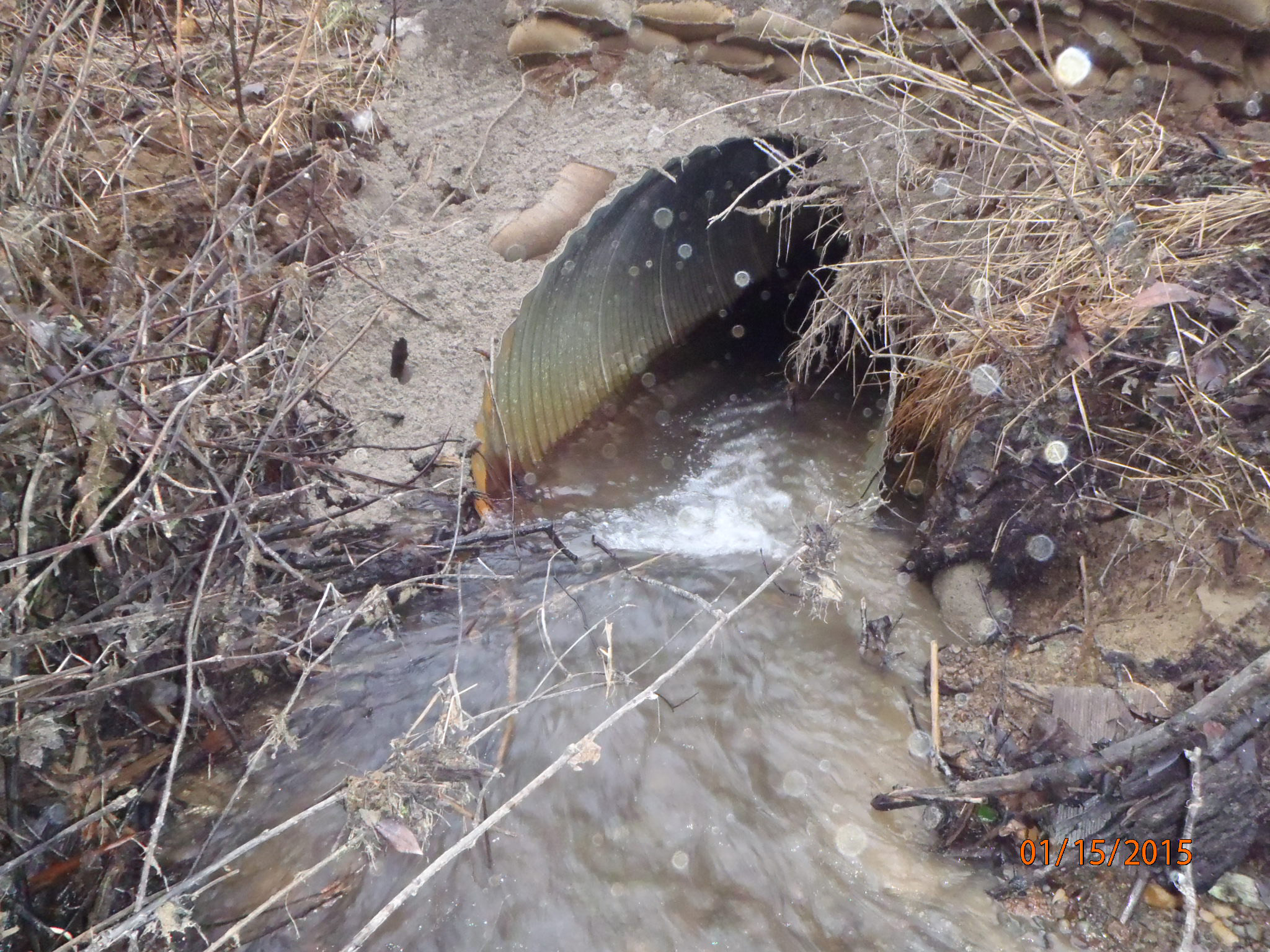
This project replaces a restrictive fish passage barrier on a tributary to the Chehalis River. By removing the undersized and failing structure, the project restores access to approximately 0.6 miles of upstream spawning and rearing habitat. This restoration provides vital, all-life-stage connectivity for coho salmon, steelhead, and resident cutthroat trout. The completion of this project ensures a free-flowing migration path and strengthens habitat resilience in the lower Chehalis watershed.

18-1627-newskah-inlet-before18-1627 Newskah, after

Newskah

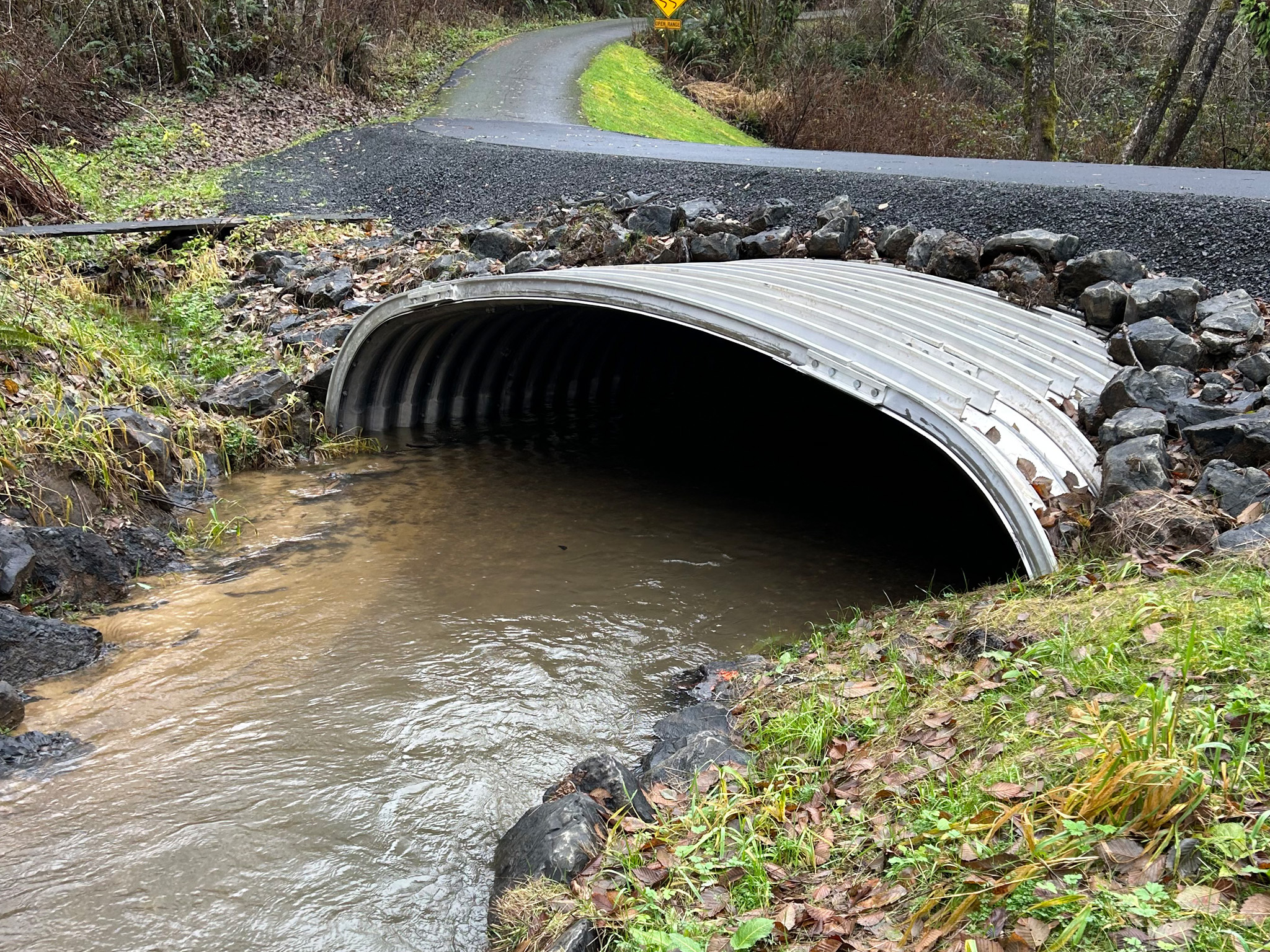
This project addresses a high-priority fish passage barrier on Newskah Creek, a direct tributary to Grays Harbor. By replacing a restrictive, undersized culvert with a hydraulically designed structure, the project restores full access to 2.2 miles of high-quality upstream habitat. This reach is critical for the spawning and rearing of coho salmon, chum salmon, steelhead, and resident cutthroat trout. The restoration of this salt-water influenced system improves watershed connectivity and supports the long-term recovery of salmonid populations in the coastal region.

19-1563-geissler-koski-before19-1563-geissler-koski-after

Geissler

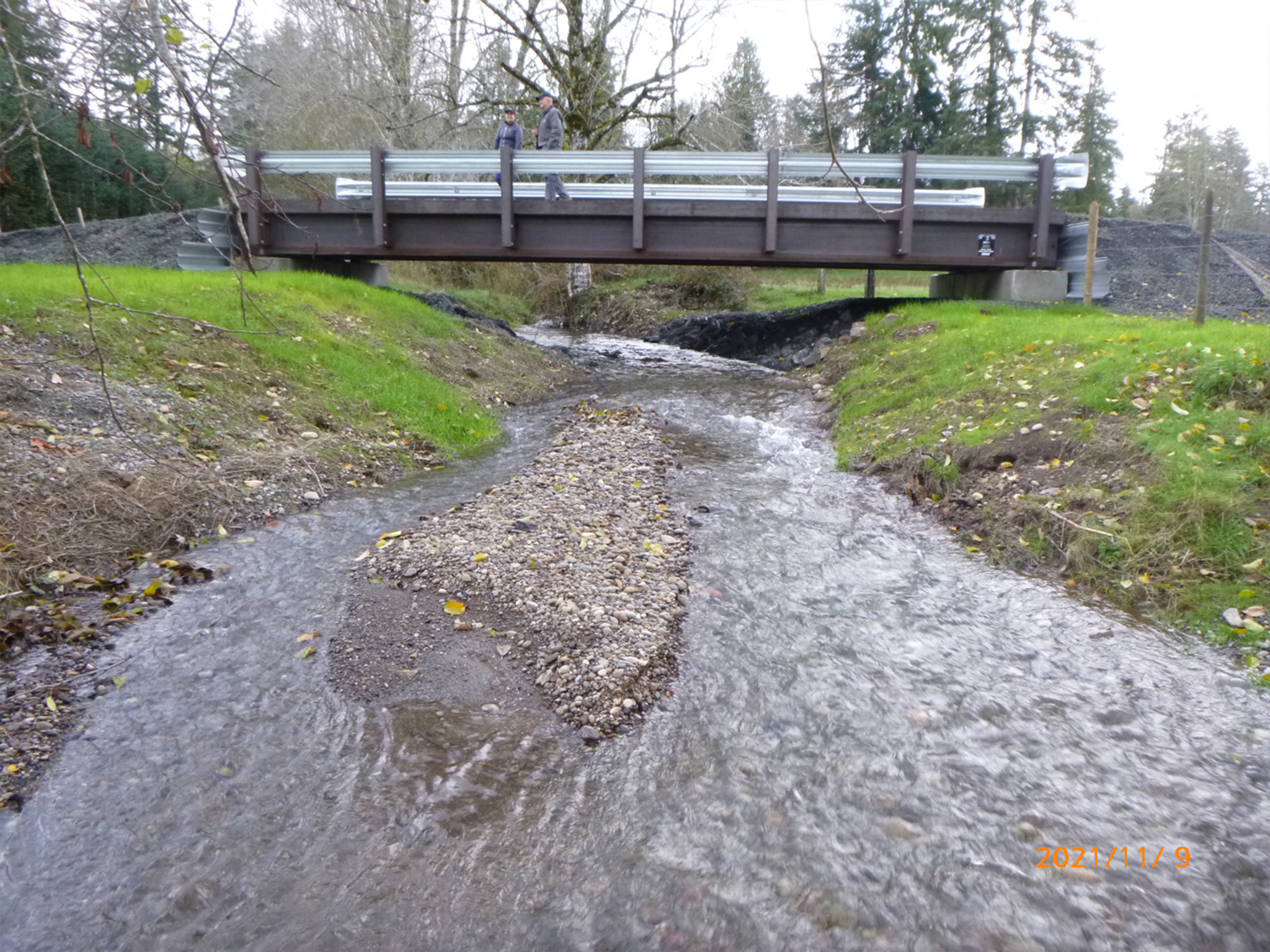
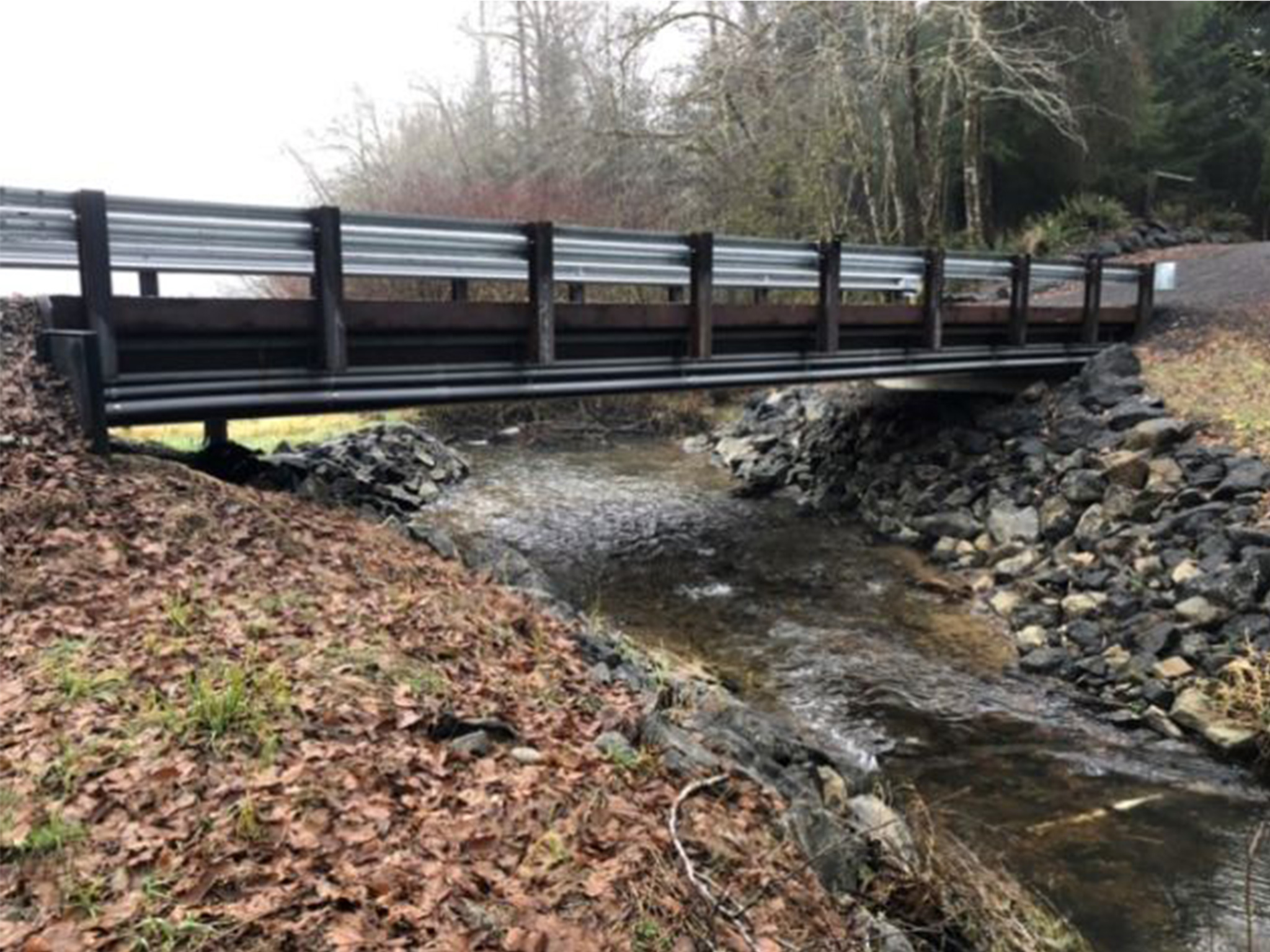
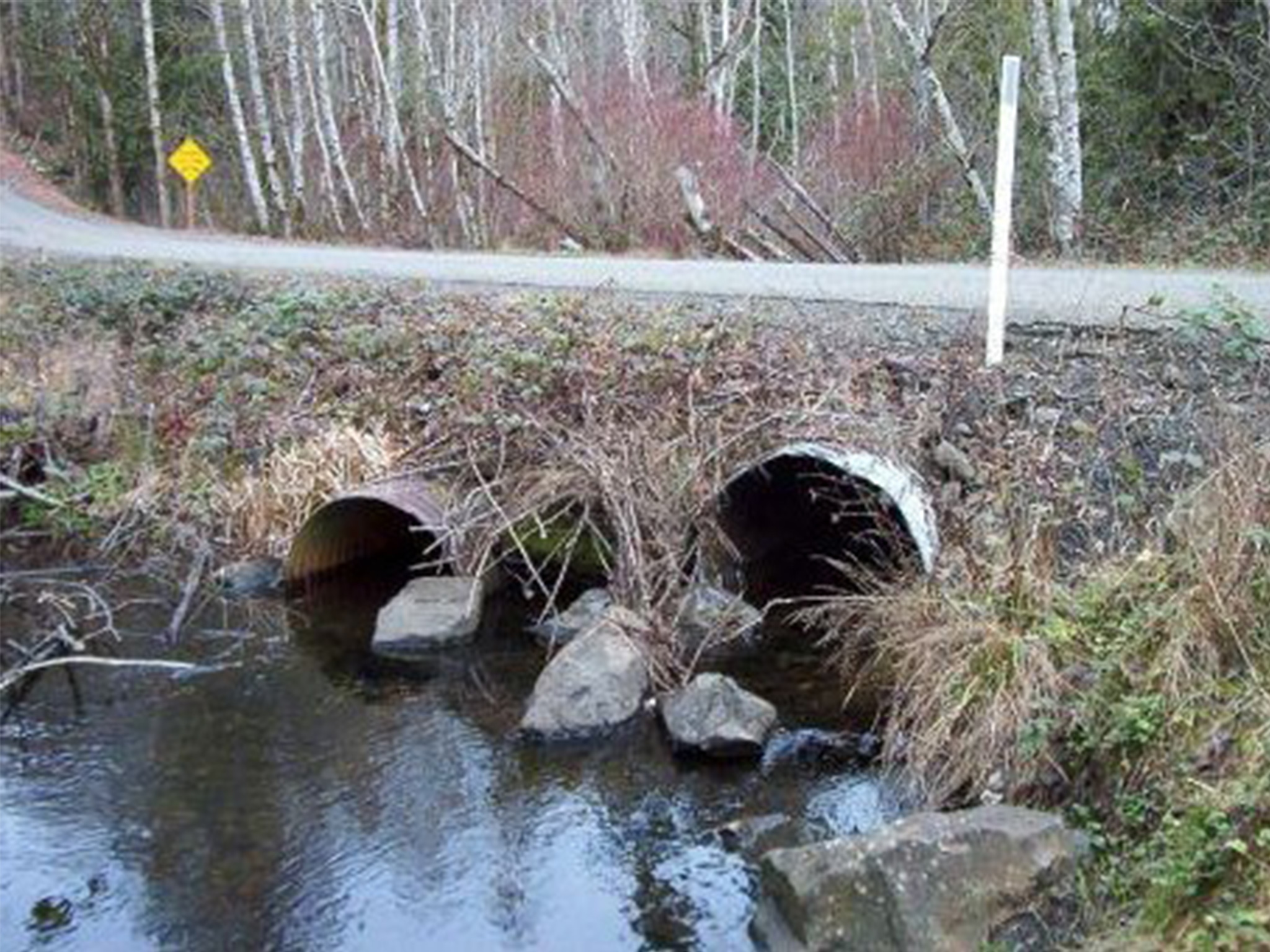
This project restores vital migration access to 2.0 miles of high-quality, forested spawning and rearing habitat in Geissler Creek, a tributary of the Wynoochee River. The restoration replaced an undersized and failing squash culvert with a 48' x 30' pre-cast modular concrete bridge. This new structure provides full, all-life-stage passage for coho, chum, and Chinook salmon, as well as steelhead and resident cutthroat trout. Beyond fish passage, the project restores natural hydraulic functions, allowing for the transport of sediment and woody debris essential for maintaining a healthy stream ecosystem

22-1555 Wildcat, before22-1555 Wildcat, after

Wildcat

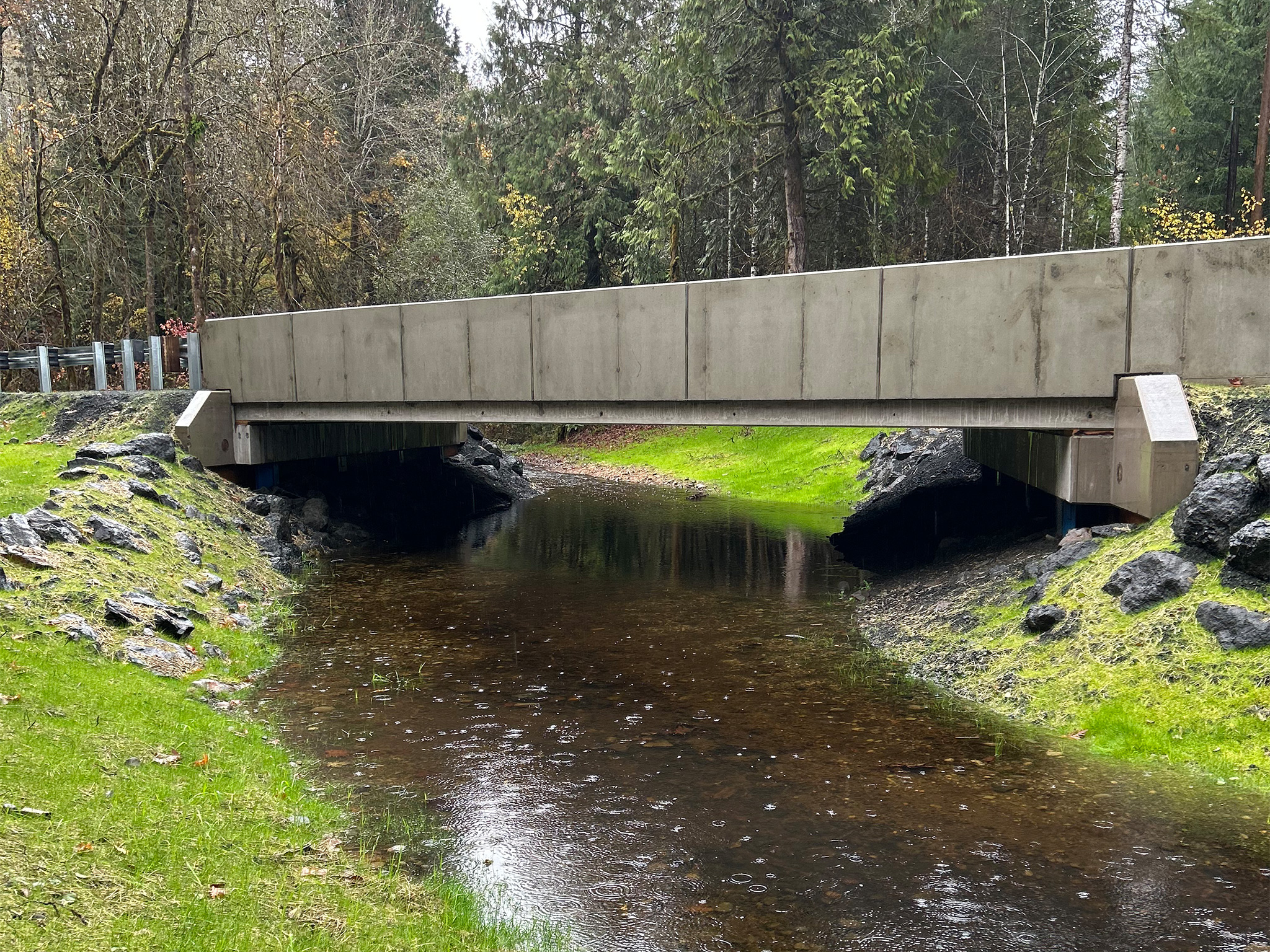
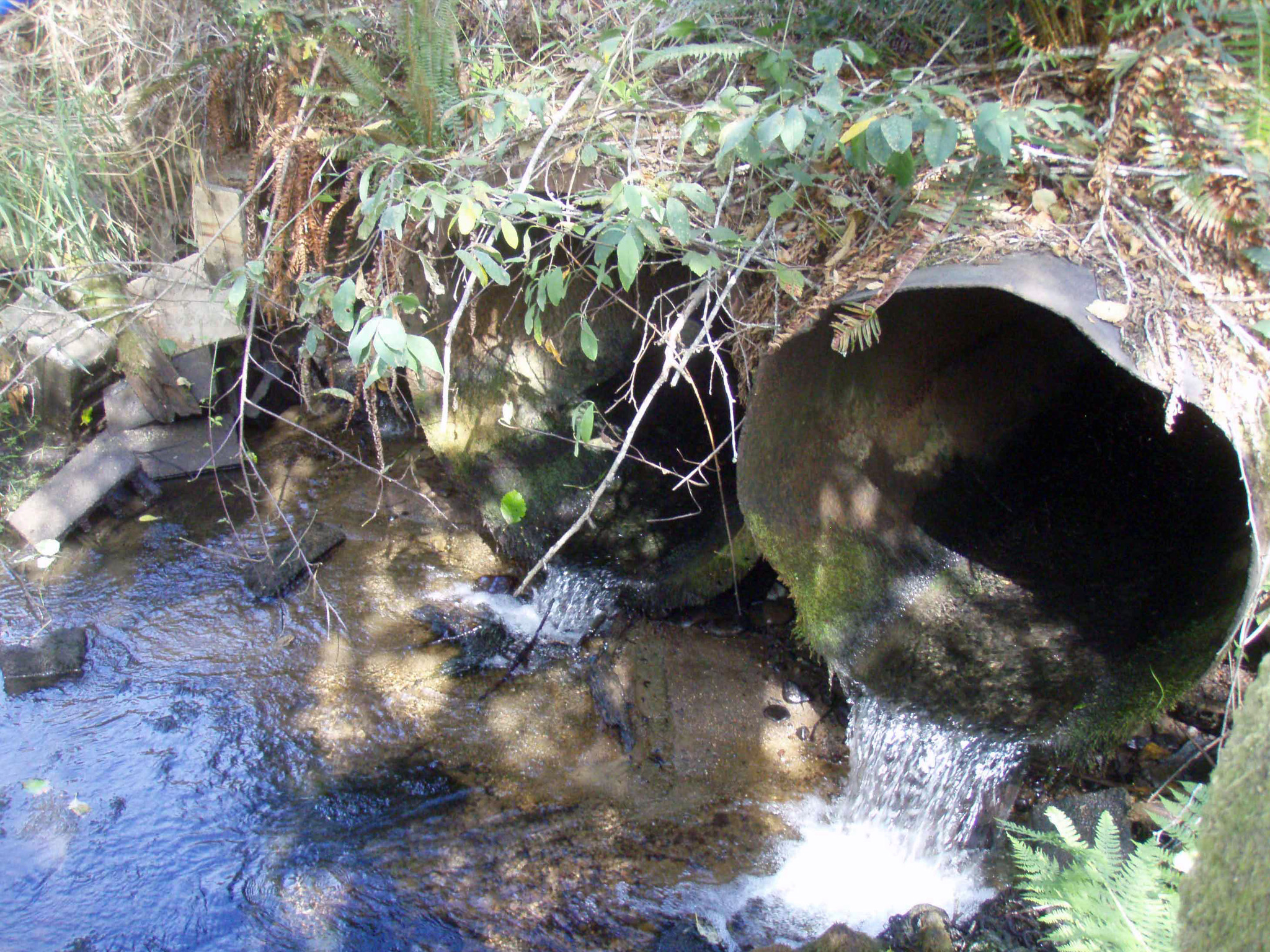
This project addresses a high-priority fish passage barrier on Wildcat Creek, a key tributary within the Cloquallum subbasin. The existing crossing, rated at only 33% passable, consists of an undersized culvert that creates high-velocity barriers and depth issues for migrating fish. By replacing this failing structure with a 46' x 20' concrete bridge, the project restores access to 1.5 miles of high-quality upstream spawning and rearing habitat. This restoration effort is critical for the recovery of coho salmon, steelhead, and resident cutthroat trout, ensuring long-term habitat connectivity and watershed health in the Chehalis Basin.